
A well-known tension arises every day in American boardrooms. The spreadsheet with the cold numbers that track productivity and bottom lines is on one side. The human experience is on the other side, and it is more difficult to measure. Organizational leaders have viewed these as conflicting forces for decades because they think that having a strong concern for people somehow lessens the motivation to achieve results. Because of this poor decision, workplaces have been created where workers feel like line items, where burnout is accepted as a sign of dedication, and where the word “resources” in human resources feels more accurate than “human.”
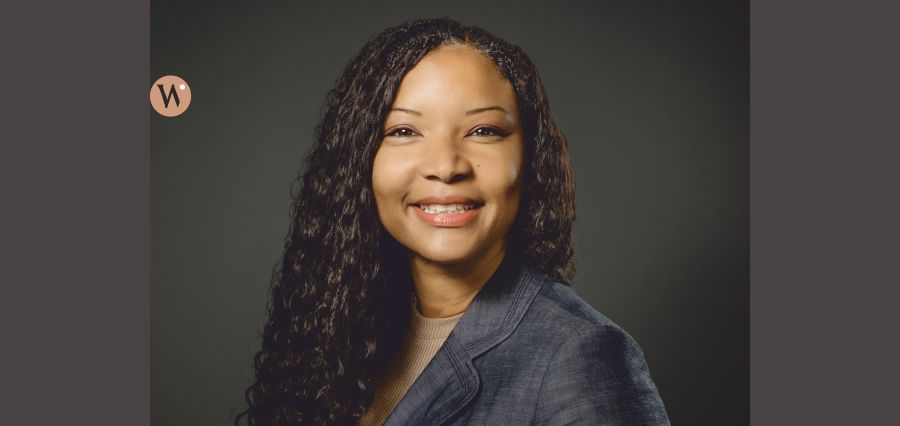
But what if this entire framework is wrong? What if the most strategic thing a leader can do is care genuinely about the people who drive organizational success? This is not theoretical for Turkessa Antrum, Chief Human Resources Officer at Community Health Resources (CHR). It is the foundation of everything she does. In healthcare, where every decision ripples through vulnerable clients and dedicated staff, she has built a leadership philosophy that refuses to choose between excellence and empathy. Instead, she proves daily that these forces amplify each other, creating organizations that are both more humane and more successful.
Her approach represents a fundamental reimagining of what HR leadership can be- not a support function that reacts to business needs, but a strategic force that shapes culture, protects wellbeing, and drives sustainable performance. This is how one leader is redefining the rules and creating a blueprint for the future of work.
The Awakening: When Leadership Philosophy Takes Shape
Every leader carries a moment that changes everything. For Turkessa Antrum, that moment was not a single event but a pattern she witnessed early in her career. She watched as business priorities consistently overshadowed the people executing them. She saw decisions made in conference rooms create waves through the lives of employees trying to balance impossible demands- parents scrambling for childcare, employees caring for aging relatives, individuals managing health challenges while being told organizational needs came first.
“We rely on our employees to help us meet organizational goals, but often forget they are parents, caregivers, and people navigating real life challenges,” Turkessa Antrum reflects. This observation crystallized a truth that now drives everything: the way we lead matters just as much as what we decide.
This became the bedrock of Turkessa Antrum’s philosophy. HR must function as both strategic partner and fierce human advocate; not choosing one over the other, but integrating both. At CHR, she balances organizational outcomes with genuine care for employee wellbeing. She feels, “When people feel truly seen, genuinely respected, and meaningfully supported, they excel, stay longer, and invest discretionary energy that transforms organizational capability”.
Creating Resilience: Beyond Programs to Cultural Transformation
Healthcare demands something extraordinary from workers. The emotional weight accumulates the intensity of caring for vulnerable populations, the responsibility of decisions affecting lives, and the constant exposure to suffering. In these conditions, resilience must be intentionally cultivated, fiercely protected, and continuously renewed.
Under Turkessa’s leadership, CHR has created something rare: a culture where vulnerability is wisdom, not weakness. Employees know they can say “I’m not okay without consequences”. The organization has normalized conversations about stress and burnout in ways that fundamentally shift how people experience difficult moments. When leaders acknowledge the genuine toll and actively remove barriers, employees feel seen rather than depleted.
CHR backs this with concrete investment: Calm app memberships for all employees and families, a $500 annual wellness benefit, and flexible schedules wherever feasible. But perhaps most powerfully, Turkessa Antrum focuses on helping employees connect with meaning in their work. “When people trust that their leadership genuinely cares about their wellbeing, they want to show up, support one another, and get the work done,” she explains.
Mission and Performance: Rejecting False Choices
A persistent myth suggests that mission-driven purpose and performance accountability exist in tension. Turkessa Antrum actively dismantles this through daily practice. CHR’s mission calls staff to show up for individuals experiencing profound vulnerability. This demands deep empathy, but also unwavering excellence. Under her leadership, CHR sets clear goals and rigorous standards while investing heavily in coaching and development. High expectations and strong support work together. People want to do meaningful work well. When organizations provide clarity and genuine support, most people rise to meet high standards. Mission and accountability do not create burden; they create purpose.
The Power of Human Connection in Recruitment
This past year, CHR experienced unexpected success by shifting toward proactively engaging passive candidates through personalized outreach. Instead of waiting for applications, the talent team personally connected with professionals who might share CHR’s mission. These were genuine conversations about purpose and culture. The human-centered approach transformed recruitment- candidates appreciated being seen as individuals. In an age of automation, genuine human connection remains the most powerful differentiator.
Measuring What Matters: From Concept to Reality
Employee experience often remains frustratingly abstract.Turkessa Antrum has deliberately translated this from aspiration into measurable practice. CHR shifted away from relying on annual surveys to measuring what employees experience in real time. HR business partners conduct program visits and attend staff meetings. CHR conducts stay interviews twice annually and participates in top workplace surveys.
But measurement alone changes nothing. What distinguishes CHR is accountability- leaders must respond meaningfully to feedback. “The employee experience becomes real when it is measured, acted on, and owned at all levels,” Turkessa Antrum explains. Her role centers on ensuring the aspired experience matches what employees actually live daily.
Evolution of Influence: From Expert to Strategic Leader
The transition from Vice President of HR to Chief Human Resources Officer marked a fundamental evolution. At the VP level, her influence stemmed from functional expertise. Stepping into the CHRO role demanded a broader strategic perspective. Rather than reacting to business strategies, Turkessa Antrum became accountable for ensuring strategies align with workforce capacity and values from the start. The role elevated her from managing HR functions to fundamentally influencing how leadership decisions impact people, culture, and mission.
Redefining What Leadership Requires
Throughout her career, Turkessa Antrum has redefined two critical expectations. Early on, she believed strong leaders must always have answers and project unwavering certainty. Working in complex environments taught her that this is neither sustainable nor effective. She witnessed more trust built when leaders admitted uncertainty and involved teams in problem-solving. The COVID-19 pandemic reinforced this- teams want not perfection but clarity, consistency, and honest acknowledgment of reality.
The second redefinition involves personal sacrifice. Early career messaging suggested leadership requires sacrifice at all costs. Turkessa Antrum has rejected this. Burnout does not signify dedication; it signals dysfunction. By demonstrating that self-care forms part of effective leadership, she creates healthier teams. This moves leadership from martyrdom toward sustainability.
Reading Cultural Signals: Early Warning Systems
Effective CHROs develop sensitivity to early warning signs that culture needs intervention. For Turkessa Antrum, the clearest signals are increases in complaints, conflict, and turnover. When complaints rise, employees no longer feel issues are being resolved at leadership level. Turnover serves as the loudest signal- when capable employees disengage or depart, the issue reflects accumulated cultural strain. These patterns prompt early intervention before deterioration accelerates.
The Classroom Connection: Learning and Teaching
Turkessa Antrum’s role as Adjunct Professor profoundly shapes her approach to talent development. Time in the classroom grounds her in how adults actually learn- through application, dialogue, and relevance. People grow most when they understand why concepts matter and practice without fear of failure. This influences how CHR develops leaders. She designs programs that prove practical, accessible, and inclusive. Her teaching reinforces that developing talent requires creating conditions where people feel safe to learn, confident to stretch, and supported as they grow.
Learning Beyond Organizational Walls
Industry leadership outside CHR has provided perspective that internal roles cannot deliver. Working across organizations reveals that workforce shortages, burnout, leadership gaps, and culture strain are widespread across healthcare. This helps her move from reactive problem-solving toward proactive, sustainable solutions. External engagement sharpens judgment and helps identify innovative practices to bring back to CHR.
Technology and Humanity: Drawing the Right Lines
As automation transforms workplaces, HR leaders face critical choices. Turkessa Antrum approaches these with pragmatism and principle. She believes that HR should embrace automation where it increases consistency and efficiency- reducing errors, freeing teams for strategy. However, human judgment must remain central wherever empathy and discretion matter. Employee relations, performance conversations, and investigations require understanding beyond data points. She advocates using automation to handle processes so HR professionals can focus on work requiring human judgment, preserving the human element at HR’s core.
The Overlooked Crisis: Emotional Fatigue
When asked about workforce trends which healthcare leaders underestimate, Turkessa Antrum identifies emotional fatigue without hesitation. Healthcare workers carry accumulated stress from before the pandemic that has only intensified. Many remain quietly disengaged- physically present but emotionally depleted. “Employees, especially in healthcare, are carrying years of accumulated stress, and many are staying quietly disengaged,” she observes. This differs from acute burnout. Emotional fatigue is chronic, cumulative, and often invisible until severe. Leaders must recognize this systemically and address it through culture change and genuine long-term investment. The cost extends beyond turnover; it degrades care quality, damages team dynamics, and threatens organizational sustainability.
Building Tomorrow: The Integration of Heart and Strategy
Leadership reveals itself not in words but in accumulated impact. By this measure, Turkessa Antrum’s leadership stands as compelling proof that the future of HR belongs to those who refuse false choices between caring and accountability, between people and performance, and between humanity and results.
Her approach demonstrates that strategic thinking and deep human concern strengthen each other. When organizations genuinely invest in wellbeing, they create sustainable performance. When leaders set high standards with meaningful support, they create purpose. When HR functions as both strategic partner and human advocate, it integrates elements that drive lasting success.
Through her work at CHR, her teaching, and her broader engagement, Turkessa challenges conventional assumptions about leadership. She proves that authenticity strengthens executive presence, vulnerability builds credibility, and empathy enhances strategic capability. She models leadership that belongs in the C-suite because it integrates analytical and emotional intelligence, strategy and compassion, and ambition and sustainability.
In an industry facing unprecedented challenges, leaders like Turkessa offer a practical roadmap forward. By keeping people genuinely at the center of every decision, by building cultures that hold both compassion and accountability as sacred, and by leading with strategic clarity and authentic humanity, she demonstrates what becomes possible. Her work reminds us that when we take care of our people with genuine intention, they elevate the mission. They bring creativity, dedication, and resilience that transforms what organizations can achieve. This is not soft leadership; it is the hardest and most important work any leader can do. It is the foundation on which sustainable success is built.