
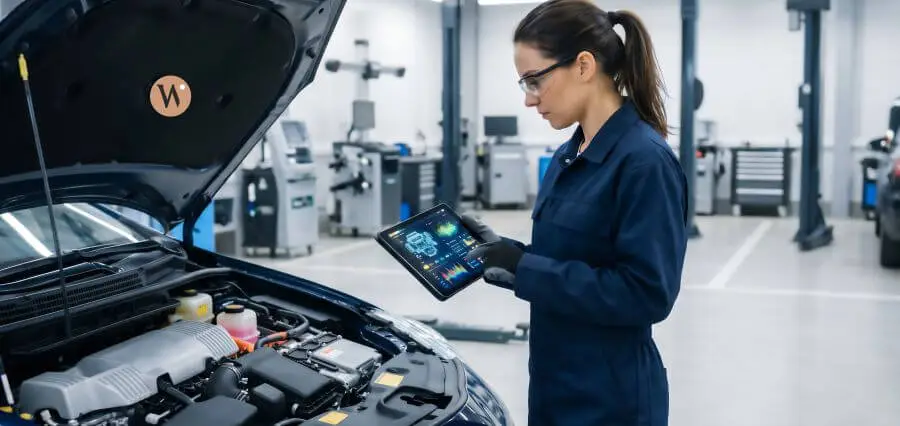
Shaping Future Transportation
The way people get from place to place is changing faster than it has in a long time. Electric vehicles, once seen as a niche choice, are slowly becoming part of everyday life. Behind that change is a large group of people working on everything from batteries to charging stations, and more of them are women than ever before. The growing presence of women in EV work matters for fairness, but it also matters for something larger. It is starting to shape what future transportation will actually look like.
A Field Opening Its Doors
For much of its history, the auto industry was seen as a place built mostly by men. Engineering classrooms and factory floors often reflected that. Women who chose this path frequently found themselves the only woman in the room.
Electric vehicles came along at a time when many companies were already rethinking who they hire and why. The technology was new, and so were many of the teams building it. That gave women a better chance to step in early and help set the direction, instead of trying to break into structures that had stood for generations.
Bringing Different Views to the Table
Good design comes from understanding the people who will use a product. When everyone on a team comes from a similar background, the team can miss needs that seem obvious to someone else. Comfort and safety can look quite different depending on who is asking the questions.
Women in EV teams often draw attention to details that were overlooked before. It might show up in how a cabin is laid out, or in how charging feels for someone doing it alone late at night. These are not small matters. They affect whether people feel confident choosing an electric car at all.
Leading Research and Engineering
Some of the most demanding work in this field happens in labs and testing centers. Batteries need to last longer and charge faster, ideally using materials that are easier on the planet. Software has to manage power wisely while staying simple for the driver.
Women in EV research are helping push this work forward. Their contributions reach across chemistry, electrical systems, and the programs that tie everything together. As more women earn degrees in science and engineering, the talent available to this industry keeps growing, and so does the range of ideas.
Shaping Business and Policy
Innovation doesn’t stop at the engineering bench. Someone has to decide which projects get funded and how products reach buyers. Those choices matter just as much as the technology.
More women now hold positions where they make those calls. Some run companies or departments, while others work with public bodies to plan charging networks and set standards for clean transport. The influence of women in EV leadership roles can be seen in a stronger focus on long-term thinking and on how new transport fits into communities, not only markets.
Inspiring the Next Generation
Most young people choose careers they have already seen up close. A girl who hears about a woman designing cars, or running a research lab, has an easier time imagining herself doing the same. Without that picture, the path can seem closed to her before she even gets started.
Schools have a part to play here. Girls should be encouraged to try science early and supported when the subject gets difficult, which is often the point where many of them drop out. Companies can help too, by offering internships and being more open about who actually builds their products. Seeing women in EV careers helps girls understand that this field has room for them.
Why It Matters for Everyone
A more balanced industry isn’t only good for the women working in it. It tends to lead to better products and smarter planning. Transportation touches nearly every part of life, from getting to work to reaching a hospital in an emergency, so systems built with input from a wider group of people are more likely to serve everyone well.
There is a practical side as well. The move to electric transport needs a huge amount of skilled talent, and no industry can afford to overlook a large share of its possible workforce. Supporting women in EV work is simply a sensible way to meet that need.
The Road Ahead
Electric vehicles are still in a period of fast change, and many of the biggest decisions have yet to be made. That makes this an important moment for the people involved, since those who shape the industry now will leave a mark on how people travel for a long time.
The rise of women in EV innovation is a real part of that story. It is helping build a future where getting around is cleaner and designed with a fuller picture of the people who depend on it.