
Technology Meets Textiles
For most of history, fabric had a simple job. It covered the body, kept people warm, and made homes more comfortable. That is changing. Smart Textile Innovation is giving cloth new abilities, and factories around the world are adjusting to what that means. Fabrics can now sense, respond, and communicate. What was once a passive material is becoming an active part of daily life.
Understanding Smart Fabrics
A smart fabric has something extra built into it. This might be a tiny sensor, a conductive thread, or a special coating that reacts to heat, light, or movement. Some fabrics can track the wearer’s pulse. Others change how they feel when the weather turns. At its core, Smart Textile Innovation is about blending two worlds that once stayed apart: the soft craft of making cloth and the precise science of electronics and materials.
What surprises many people is how natural these fabrics can feel. The technology is woven in so carefully that the final product looks and moves like ordinary cloth. Comfort remains a priority, because a garment that nobody wants to wear has no value, however clever it may be.
How Technology Is Changing Textile Manufacturing
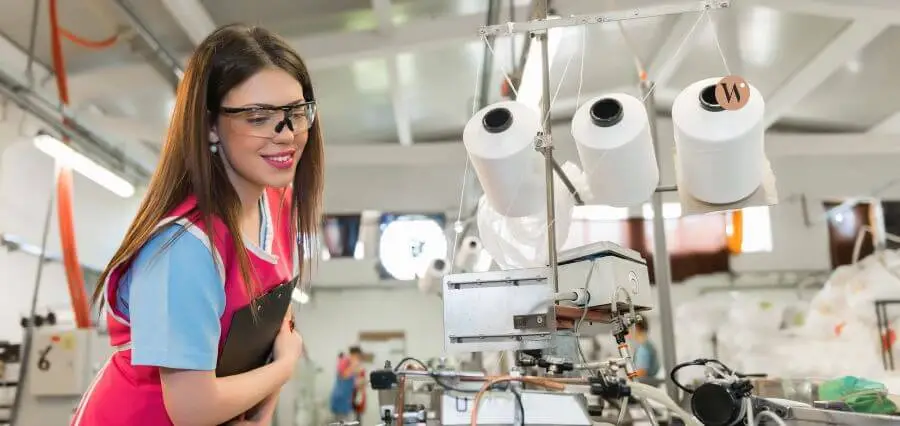
Manufacturing is changing along with the materials. Mills now use sensors and software to watch machines in real time. If a loom starts to slow or a thread begins to fray, the system can flag the problem before it spoils a large batch. This saves time, cuts waste, and protects quality. Smart Textile Innovation also reaches into design, where computer tools let teams test patterns and structures on a screen before any cloth is made.
Automation plays a growing part as well. Machines handle repeated tasks with steady precision, while people focus on judgment, planning, and checking the finished product. The best factories treat technology as a partner to skilled workers, not a replacement for them.
Making Textile Production More Sustainable
The textile industry has long faced criticism for waste and heavy use of water and energy. Technology offers real help here. Precise controls allow mills to use only the amount of dye or chemical a job needs. Sensors catch faults early, so fewer materials are thrown away. Smart Textile Innovation can also lead to fabrics that last longer, resist stains, or repair small damage, which means people replace their clothing less often.
Better tracking of materials is another gain. When a product carries information about where it came from and how it was made, buyers can make more informed choices. That kind of openness encourages honest practices across the supply chain.
Preparing Workers for New Skills
New tools call for new skills. Workers who once operated a single machine may now need to read data, adjust software, and solve problems that cross several fields. This can feel intimidating, and the worry is understandable. Companies that train their people early usually see better results than those that wait. Smart Textile Innovation depends on teams that mix knowledge of fabric with knowledge of electronics and computing.
Schools and training centers have a role to play too. Programs that combine textile craft with technical learning prepare young people for careers that are only now taking shape. Respect for traditional skill should stay at the center, since an eye for quality cannot be fully replaced by a sensor.
Challenges Facing Smart Textile Innovation
The road is not smooth. Smart fabrics can cost more to make, and not every buyer is ready to pay a higher price. Washing and wear are real tests, because electronics must survive the same rough treatment as any garment. Privacy is another concern. If clothing collects personal data, people need clear assurance that the information is handled with care.
Standards also matter. Without shared rules for safety and performance, buyers may struggle to trust what they purchase. Smart Textile Innovation faces these challenges in the open, and honest progress will depend on makers, regulators, and customers working toward common ground.
The Future of Smart Textiles
The direction is clear, even if the pace is uncertain. Fabrics will keep gaining new abilities, and factories will keep finding smarter ways to produce them. Cost will likely fall as methods improve, bringing these materials within reach of more people and more industries, from healthcare to sports to home furnishing.
Still, the heart of the trade will stay familiar. Cloth is made by people who care about how it feels, how it lasts, and how it serves the person who uses it. Smart Textile Innovation will succeed to the degree that it respects that tradition while moving it forward. When technology and craft work side by side, the result is not just clever fabric. It is a stronger, cleaner, and more thoughtful industry.