
Prime Highlights
- Village Business Units are helping rural Zimbabwean women earn independent incomes and strengthen household food security.
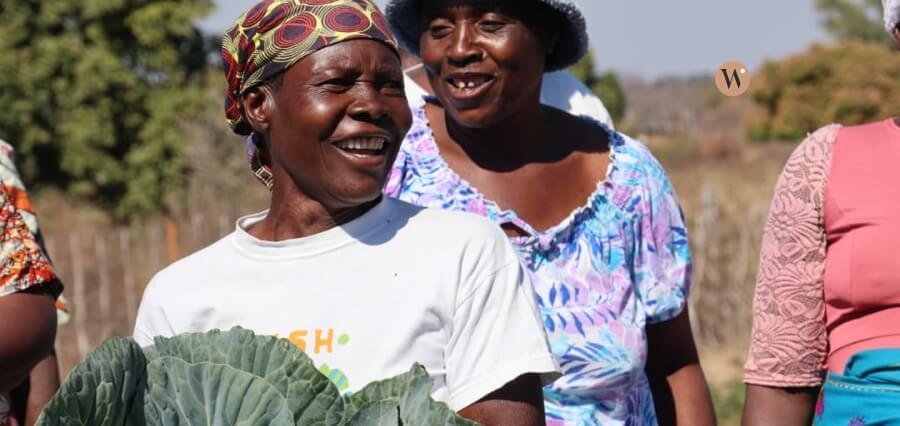
- At the Virira Village Business Unit, women make up 30 of 37 members, reflecting strong female participation.
Key Facts
- Village Business Units are a Government-backed, community-led initiative promoting agricultural production and rural economic development in Zimbabwe.
- The units have improved access to clean water through solar-powered boreholes and supported school fee payments for local families.
Background
Village Business Units (VBUs) are emerging as a key driver of women’s economic empowerment in rural Zimbabwe, with the Government stating that the community-led model is helping women earn independent incomes while strengthening household food security and rural economies.
Speaking during a tour of the Virira Village Business Unit in Ward 11, Chivi District, this week, Agricultural Planning and Development Director Leonard Munamati said the programme was placing women at the centre of rural transformation. He noted that women made up the majority of Zimbabwe’s population, making their economic empowerment essential to national development. He said empowering women effectively empowered entire communities and the nation as a whole.
Munamati said women involved in the units were no longer financially dependent on spouses, as they generated their own income through organised agricultural production. He added that women were also improving household nutrition by incorporating nutritious crops into farming plans, while solar-powered boreholes established at the units were improving access to clean water.
At the Virira Village Business Unit, women dominate membership, with only seven men among 37 members.
Ward 11 councillor Danmore Jaka said the initiative had transformed livelihoods and restored productivity in the community, noting that parents were now able to pay school fees through proceeds from the project. Nyaradzo Dzawanda, one of the beneficiaries, said the people would no longer have to walk far for water and vegetables, noting that there were green mealies available ever since the unit was set up in 2024.
As the government continues the programme countrywide, the role of women is being seen increasingly as that of entrepreneurs pushing development and food security.