
Prime Highlights
- Cambodian Prime Minister Hun Manet said girls’ education should be a national priority to build a stronger workforce and support economic growth.
- The government pledged to continue promoting gender equality and increasing opportunities for women and girls across all sectors.
Key Facts
- Women make up nearly half of Cambodia’s population, with the majority aged below 30 years.
- Female literacy in Cambodia has crossed 80%, while girls’ school enrolment reached 100% in 2021.
Background
Cambodian Prime Minister Hun Manet has called for greater focus on girls’ education, describing it as a key strategy for building strong human capital and supporting the country’s long-term economic growth. Speaking at an international conference for Girl Guides and Girl Scouts, he said educated and empowered girls can play a major role in transforming families, communities and the nation.
Manet said traditional views that portray women as passive participants in society are becoming outdated. He noted that young women are increasingly taking on leadership roles as entrepreneurs, innovators, policymakers, corporate executives and contributors to social development.
He reaffirmed the government’s commitment to gender equality and the empowerment of women and girls, stating that a skilled and educated female workforce is essential for national progress. According to him, women are not only beneficiaries of peace but also active contributors to building and maintaining peace at the family, community, national and international levels.
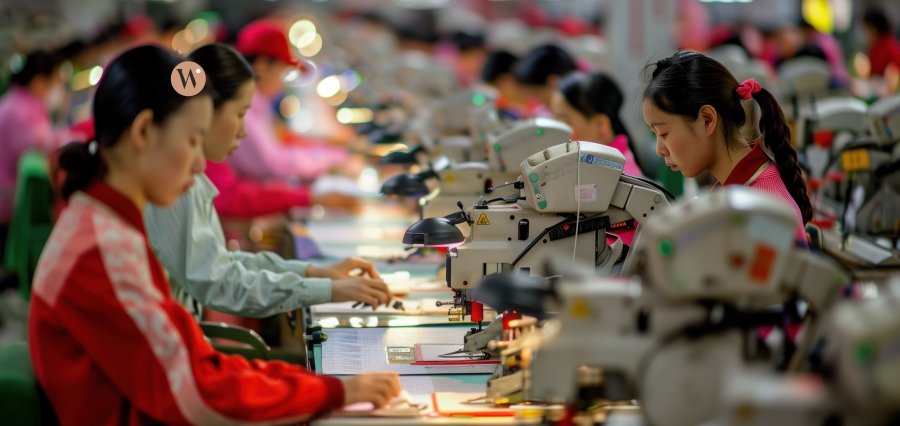
With women accounting for nearly half of Cambodia’s population and most of them under the age of 30, Manet said they will play a crucial role in shaping the country’s future development. Women have expanded their presence across various sectors of the economy, including manufacturing, agriculture, healthcare, education and professional services.
Data cited during the event showed that female literacy in Cambodia has surpassed 80%, while girls’ school enrolment reached 100% in 2021. Women also own around 60% of the country’s micro, small and medium enterprises.
Despite these gains, challenges remain. Civil society groups have highlighted issues such as school dropouts, early marriages, safety concerns and gender-based discrimination that continue to affect girls’ education. Manet said the government will continue investing in programmes that promote gender equality, reduce violence against women and strengthen opportunities for future generations.